France produces rosé in many regions, but not all French rosé is the same. The grape, the soil, the climate, and the winemaking approach vary so significantly from one region to the next. Choosing a bottle really is a matter of knowing what kind of experience you want at the table. Spring is the best time to start exploring! These are the three French regions worth knowing, the bottles to look for, and the estates worth visiting if you find yourself in France this season.
Provence is where the world’s love affair with French rosé began, and it remains the benchmark by which most other rosés are measured. More than 80% of wines produced in Provence are rosé. The style is defined by its pale salmon hue, dry finish, and notes of white peach, citrus, and a mineral edge that comes from the region’s limestone and clay soils. The grapes are primarily Grenache, Cinsault, and Syrah, gently pressed to preserve their freshness.

For a bottle that is widely available worldwide, Château Miraval Côtes de Provence Rosé is a reliable and well-made choice. The wine is made by the Perrin family and comes from an estate in Provence’s interior valley. It is consistently pale, floral, and well-balanced.
For something with more weight and complexity, Domaines Ott Clos Mireille is worth seeking out. Ott is considered the grandfather of what Provençal rosé is today. With a history stretching back to 1896. Their Clos Mireille has a silky texture, subtle herbaceous notes, and a saline finish that makes it a natural companion to a spring table.


For those who want to go deeper, Château d’Esclans, the estate behind Whispering Angel, offers a range of cuvées from their accessible entry-level rosé all the way up to Garrus. Their wine is crafted from nearly 100-year-old Grenache vines and aged in French oak barrels. The estate is open to visitors and is set in the Esclans Valley, northeast of Saint-Tropez.
Bandol, a small appellation just west of Toulon, is also worth noting for anyone who wants a more structured rosé. Bandol rosé is Mourvèdre-dominant, deeper in color, and built to hold its own alongside lamb or grilled meats. It is a very different expression from the pale, delicate Côtes de Provence style, and one that serious wine lovers tend to discover and never forget.
The Loire Valley is less associated with rosé than Provence, but it produces some of the most versatile pink wines in France. The most recognized styles include Rosé de Loire, a dry wine, and Cabernet d’Anjou, a delicately scented, off-dry rosé. Both are made from Cabernet Franc and Grolleau grapes grown around the city of Angers.

Chinon rosé is perhaps the most interesting and least discussed. Made from Cabernet Franc grown in the medieval wine town of Chinon in the Touraine, it is light, fruity, and fresh. The flavors work beautifully as an aperitif wine or with salads and light spring dishes. It has a bright raspberry character and a mineral lift that is distinctly Loire in the spirit. Producers to look for include Domaine Bernard Baudry and Charles Joguet. Both widely exported and available in good wine shops across the US, UK, and beyond.

If you find yourself in the Loire Valley, Chinon is well worth a visit on its own merits. The town sits at the confluence of the Loire and Vienne rivers and is dominated by a royal fortress. This is where Joan of Arc met Charles VII in the 15th century. The cellars here are troglodytic, carved directly into the truffeau limestone cliffs. Visiting one is an experience all in itself. Further along the valley, Château de Chenonceau offers wine tastings in its historic cellars and is one of the most visited châteaux in France.
Alsace is the most surprising region on the list for rosé. The region is famous above all for its aromatic white wines, from Riesling and Gewurztraminer to Pinot Gris. But Alsace Pinot Noir makes up 11% of the region’s vineyards, and as climate change brings warmer, drier seasons, producers are achieving greater ripeness and concentration than ever before.


The rosé produced here, known as Pinot Noir d’Alsace or Rosé d’Alsace, is made exclusively from Pinot Noir. This wine sits somewhere between a Provence rosé and a light Burgundy. It is pale, berry-scented, delicate, and dry. For a sparkling version, Crémant d’Alsace Rosé is made from 100% Pinot Noir using the traditional method. It is one of the best value alternatives to Champagne available anywhere. Dopff au Moulin in Riquewihr is credited with pioneering Crémant d’Alsace and remains one of the finest producers. Domaine Weinbach and Maison Trimbach are the two names most consistently available worldwide, and both produce Pinot Noir that drinks well young and is accessible at a fair price point.

Alsace itself is one of the most scenic wine regions in France. The Alsace Wine Route stretches approximately 100 miles from Strasbourg south toward Colmar and is the oldest wine route in France. The villages along the route, including Ribeauvillé, Riquewihr, and Eguisheim, are among the most beautiful in the country. Most estates along the route welcome visitors for tastings, and the experience is unhurried and genuinely warm.
France produces rosé at every price point and in every style. But Provence, the Loire, and Alsace each offer something distinct. Provence for its iconic pale pink, the Loire for its crisp and versatile character, and Alsace for something quieter and more unexpected. May in France is the start of the season made for a cold glass of rosé at a beautiful set table and good company.
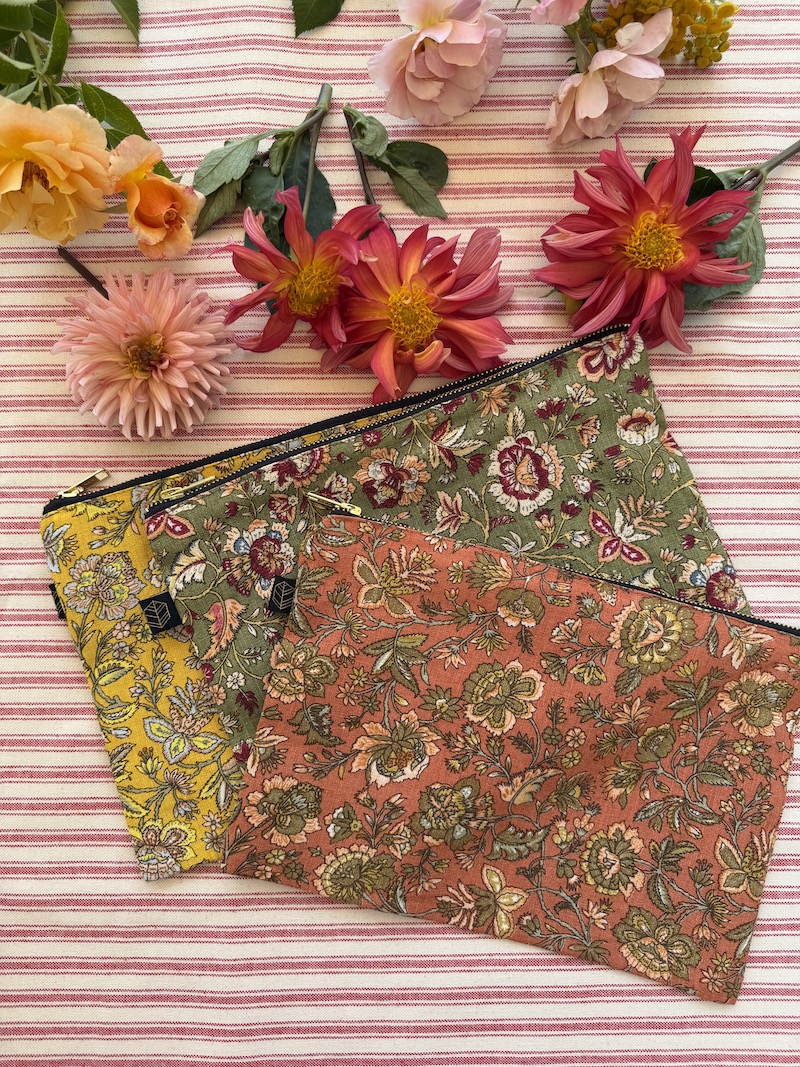
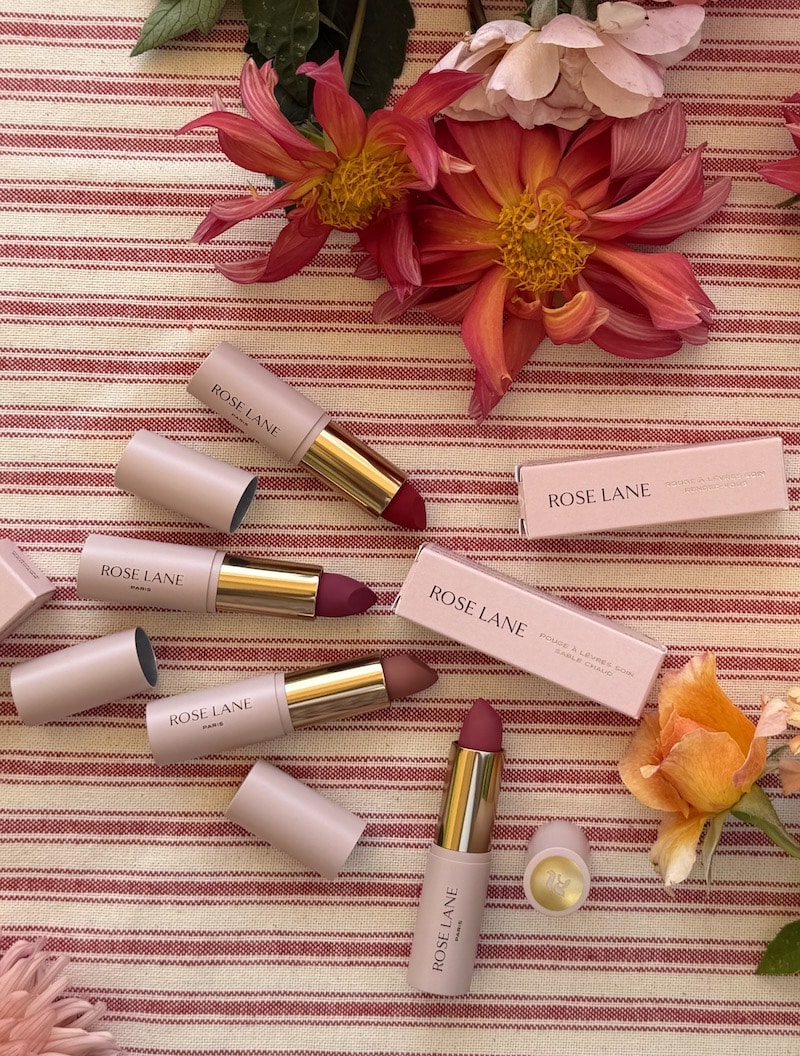
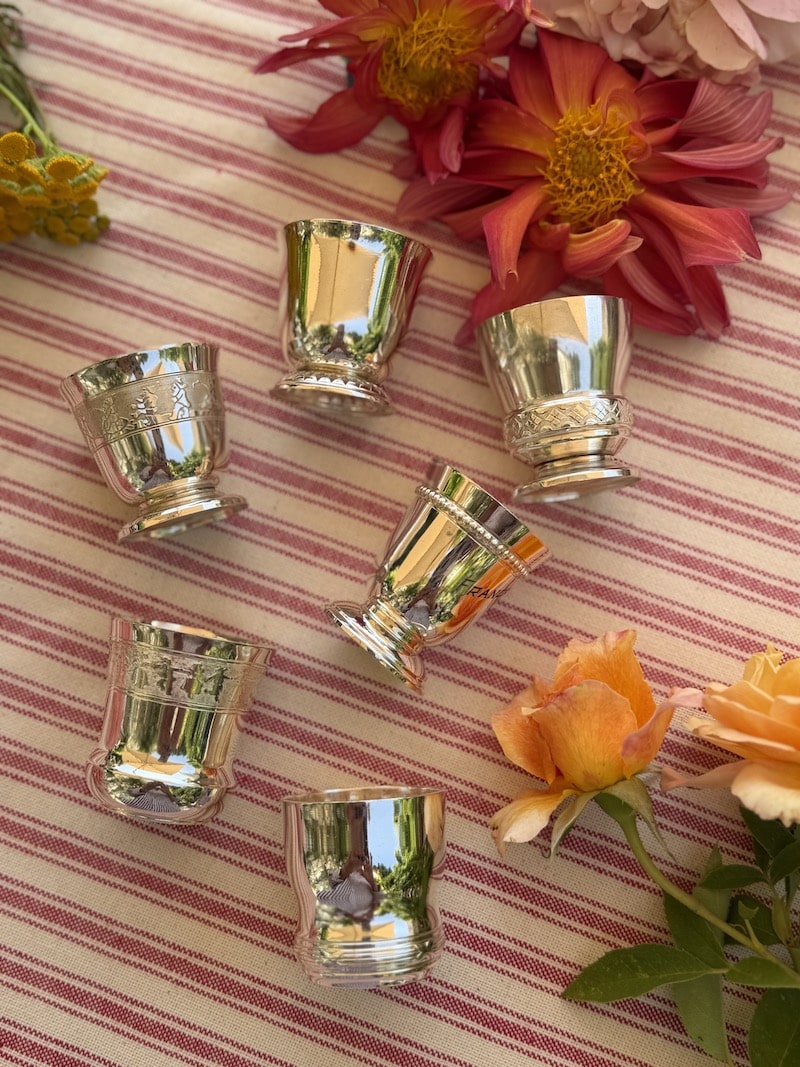
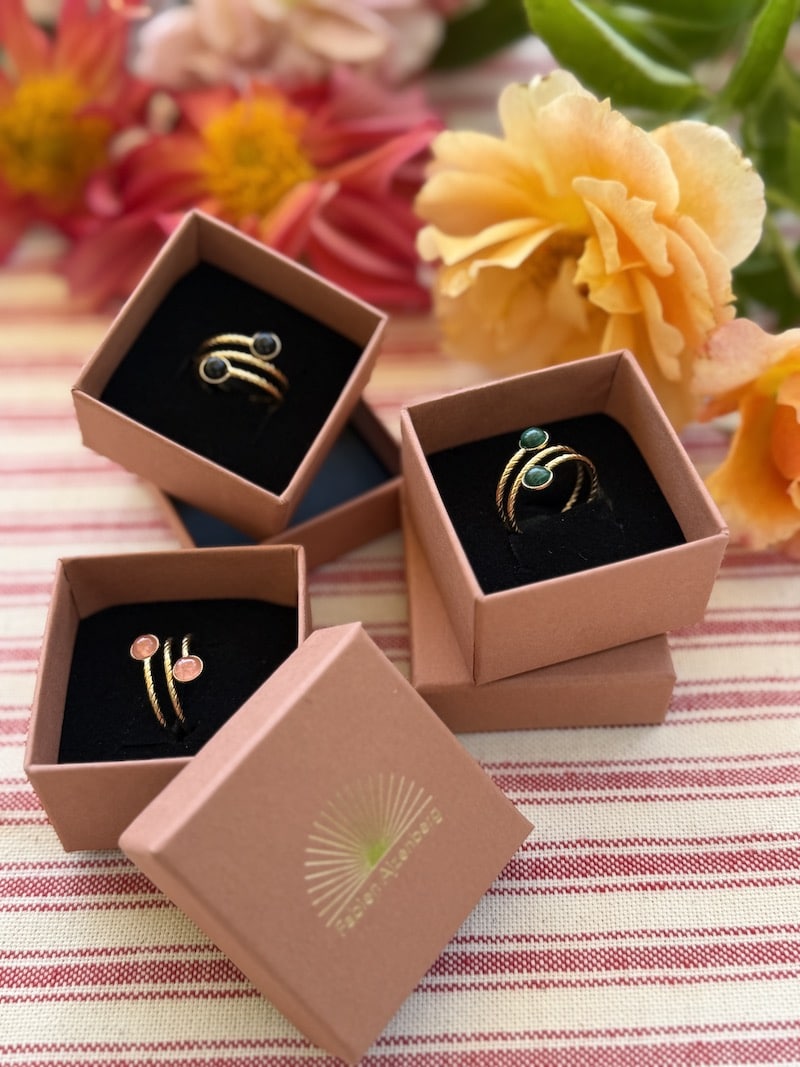
Our Box 38, Spring Dining, was curated with an afternoon spent with friends and a crisp glass of rosé in mind. Boxes ship the week of May 25th, and only a handful of Boxes remain in our initial shipment. Reserve yours HERE.