Spring is one of the most exciting moments in the calendar for lovers of French cheeses. As the countryside awakens, pastures fill with fresh grasses, wild herbs, and new flowers. These changes in the landscape influence the milk produced by goats, cows, and sheep across France. The result is milk that carries delicate vegetal notes and a richer aromatic profile. This seasonal transformation has a direct impact on the character of French cheeses.
Cheese is an agricultural product shaped by nature. During winter, animals feed largely on hay and stored forage. When spring arrives, they return to open pasture where young grasses are tender and nutrient-rich. The milk becomes more fragrant and often slightly sweeter. Cheesemakers understand these shifts well. Many of the most beloved French cheeses reach their peak expression in the spring months, when milk quality is exceptional, and animals are in the earliest stages of their grazing cycle.
Among the many French cheeses that shine in spring, several stand out for their seasonality and regional identity.

One of the most celebrated is Rocamadour, a small goat cheese from the Lot region in southwest France. Rocamadour is made entirely from raw goat milk and forms a delicate disk with a creamy interior and a thin natural rind. Spring is a key season because goats begin producing milk again after winter kidding. The milk from early pasture feeding gives cheese a fresh, slightly nutty flavor with gentle acidity that defines the best Rocamadour.

Another excellent spring cheese is Banon. Produced in Provence and made from raw goat milk, this cheese is known for being wrapped in chestnut leaves and tied with raffia. The cheese inside becomes soft and aromatic as it matures. Spring milk from goats grazing on Provençal herbs such as thyme and wild grasses contributes subtle herbal notes that make this cheese particularly expressive at this time of year.

From the mountains of Savoie comes Reblochon, a washed rind cheese made from raw cow milk. Cows begin returning to the alpine pasture in spring, where the diversity of grasses and flowers enriches the milk. This produces a supple cheese with a creamy texture and gentle flavors of hazelnut and butter. The seasonal milk contributes depth without overpowering the cheese’s characteristic softness.

Corsica offers a remarkable seasonal cheese called Brocciu. Made from sheep or goat whey, Brocciu is often described as the island’s most emblematic cheese. Production takes place mainly between winter and late spring when sheep and goats produce abundant milk. Fresh Brocciu has a light texture and delicate milky taste that reflects the lush Corsican landscape during this period.

Last on our short list is Brie de Meaux, from the Île de France region. This famous cow milk cheese develops a creamy interior and complex aroma when made with milk from animals grazing on fresh pasture. The increased richness of the milk during the grazing season helps produce a Brie with balanced mushroom notes and a smooth, buttery finish.
Seasonality is at the heart of French cheese culture. The rhythm of pasture, climate, and animal care all influence the flavor and texture of the cheeses enjoyed throughout the year. Spring cheeses capture a moment when the land is vibrant, and milk reflects the energy of new growth.
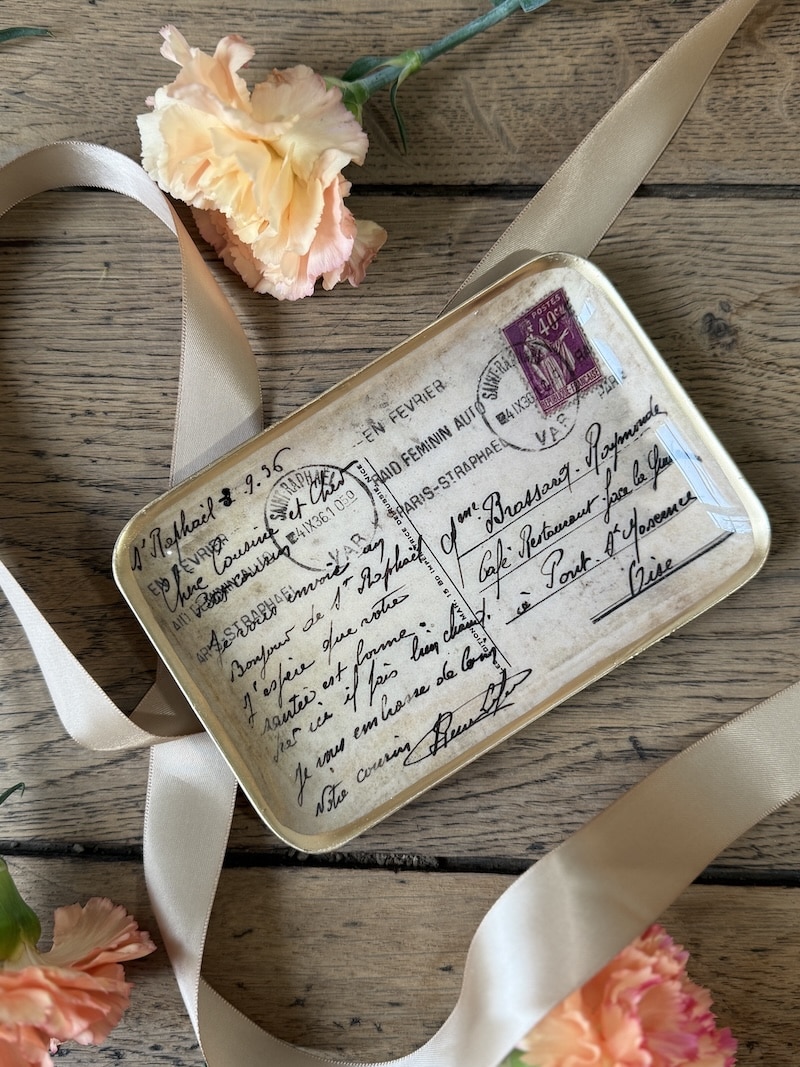
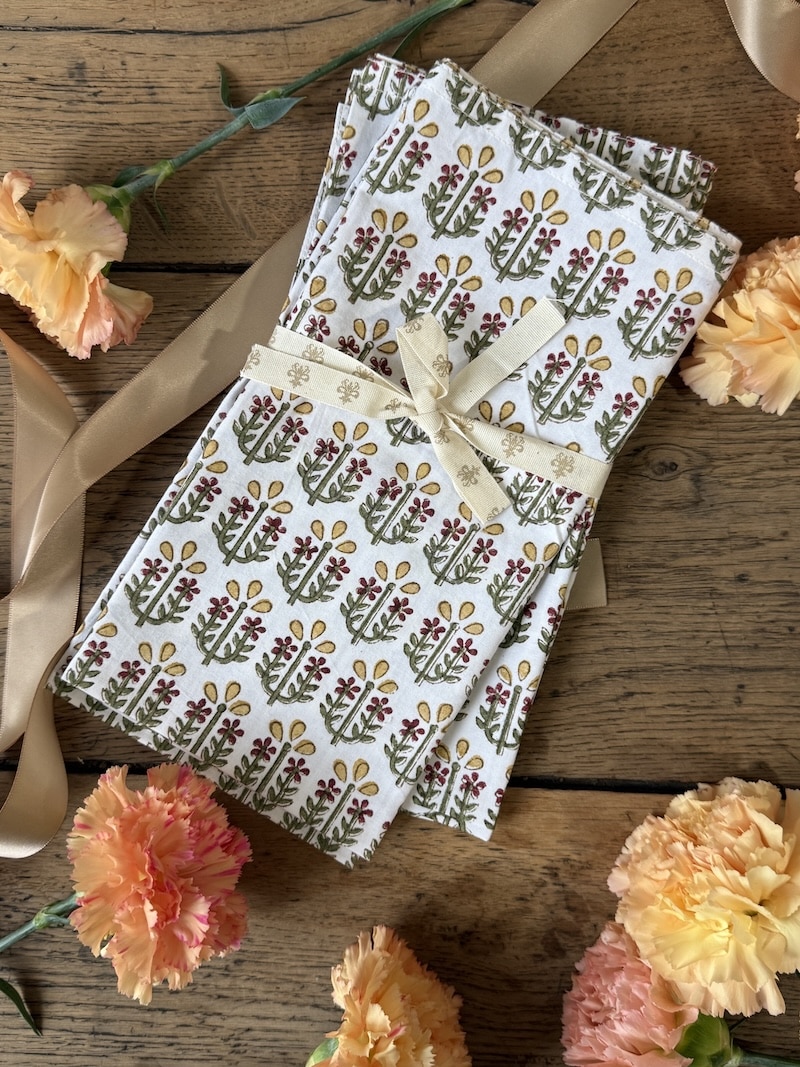
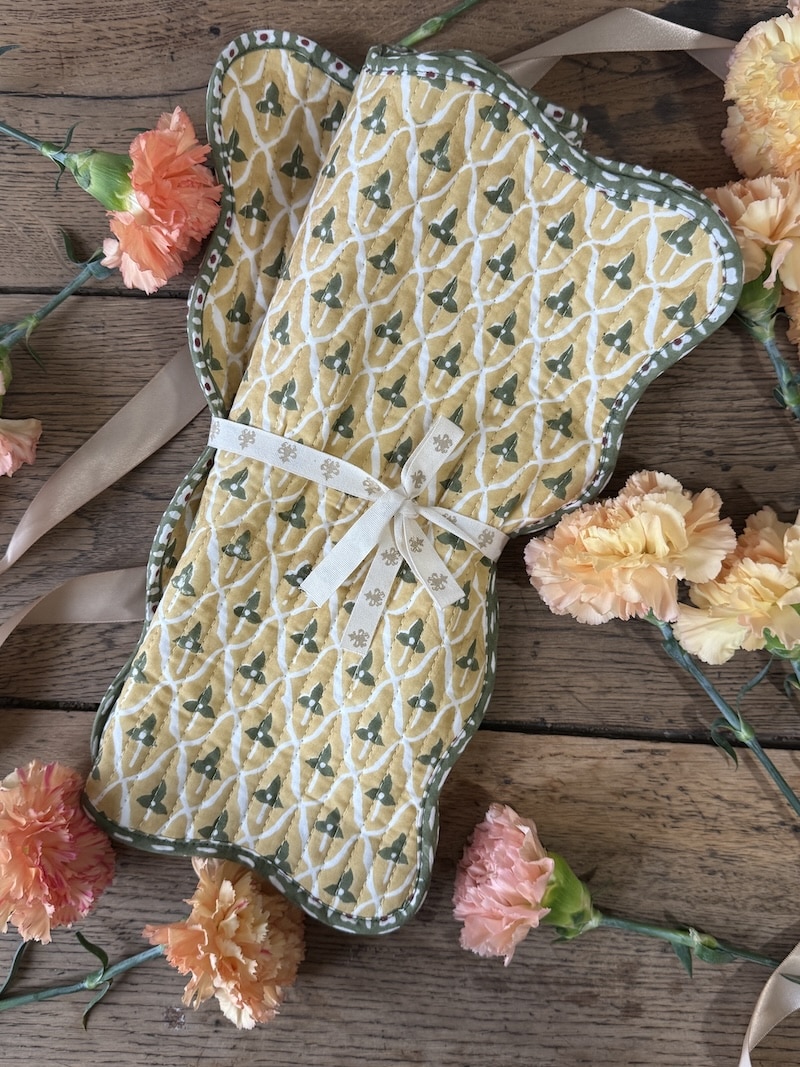
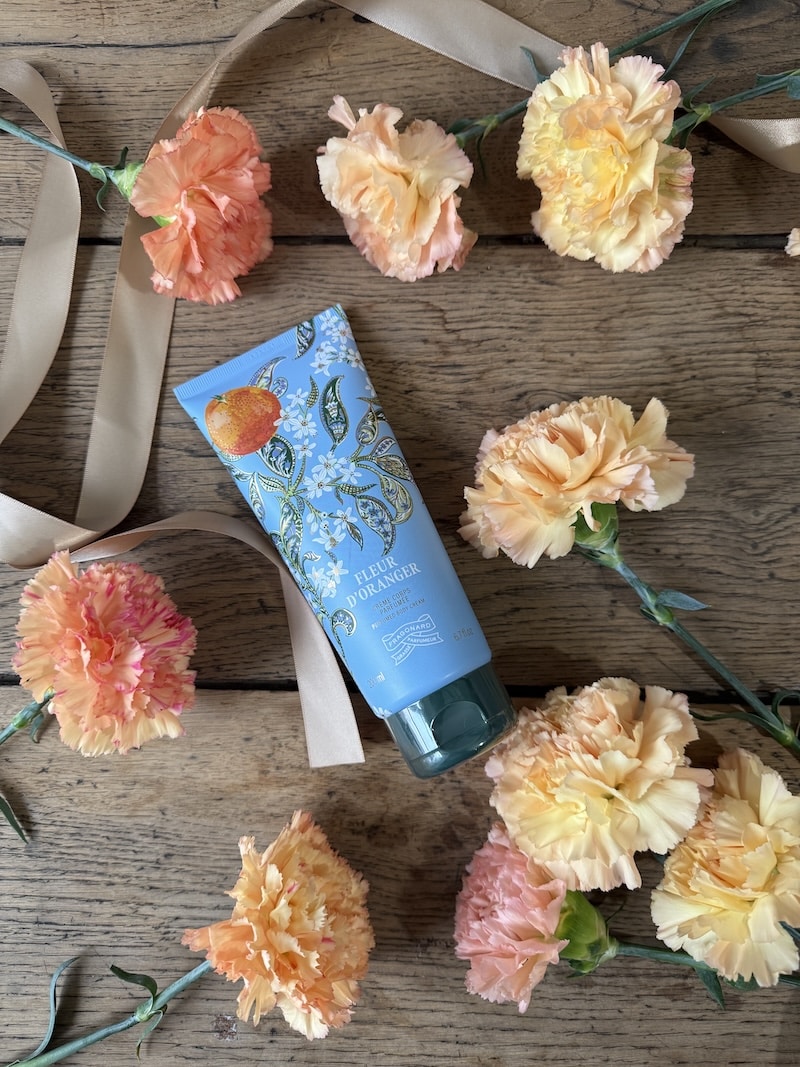
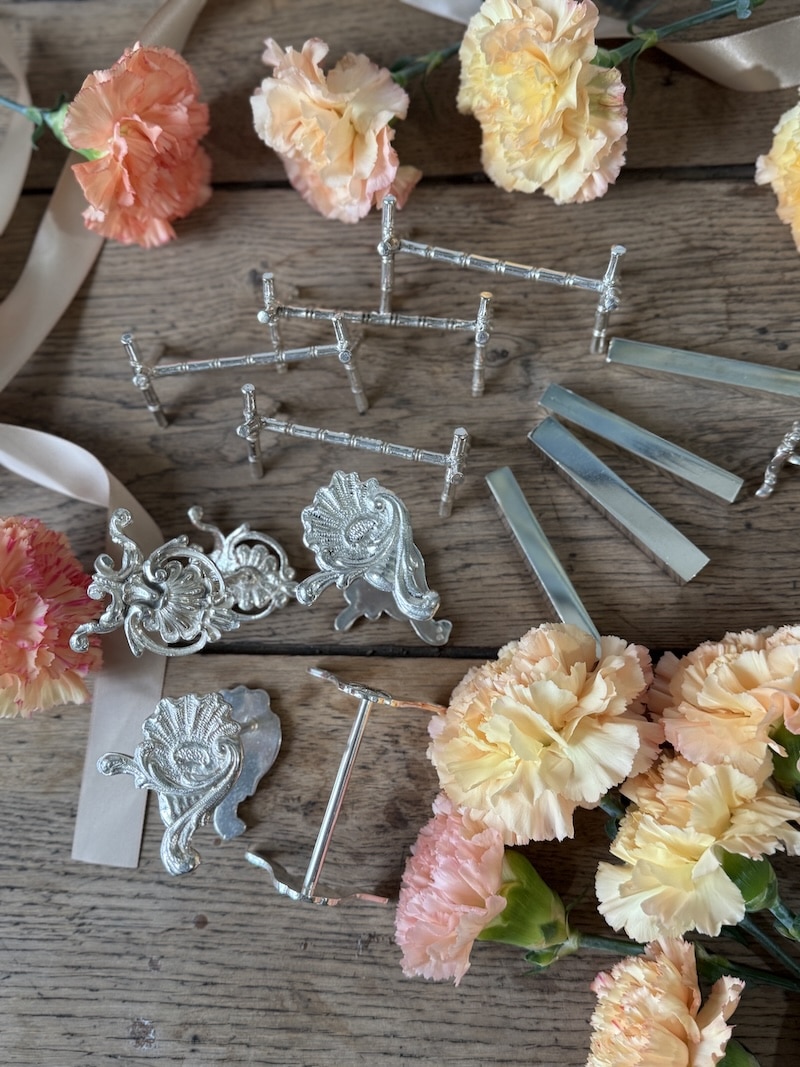
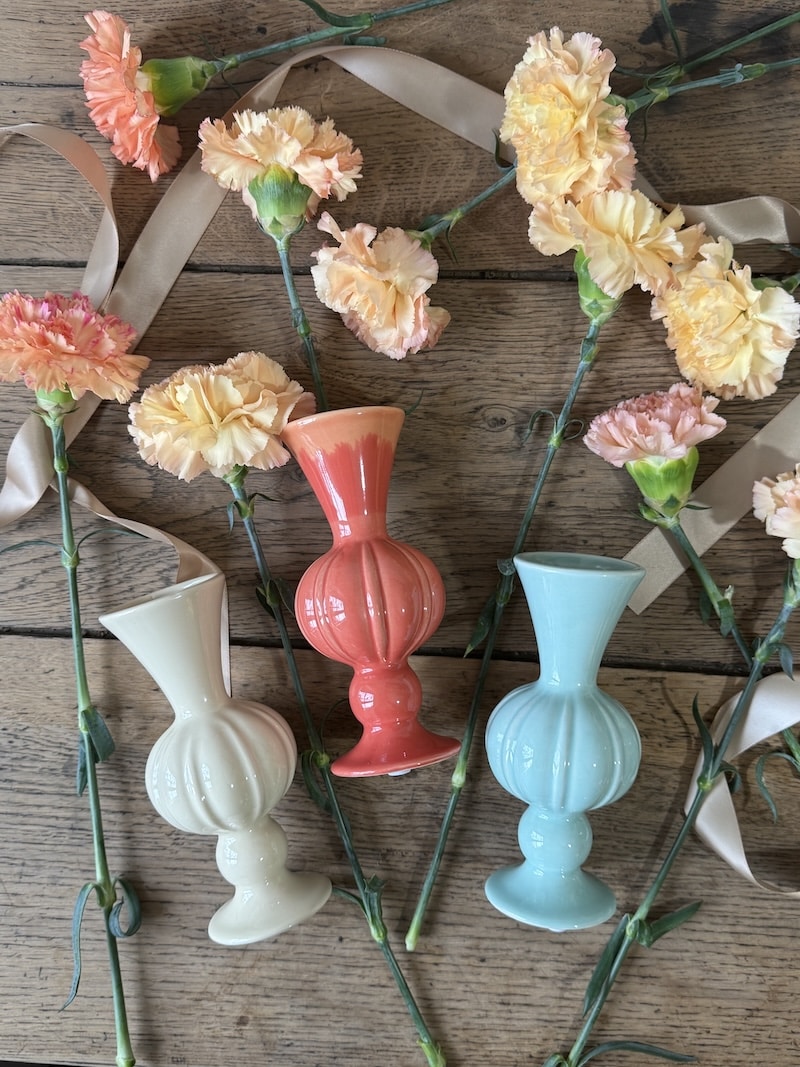
If you enjoy discovering the tastes of France at their most seasonal, our Spring Dining Box celebrates this very spirit. Inspired by the traditions of French spring tables, this curated French Subscription Box brings together pieces that evoke the pleasure of sharing great food, beautiful presentation, and the simple joy of dining the French way. Reserve your Box today.