A French brocante begins quietly. Vendors arrive at dawn, setting up tables, crates, and boards. The streets are still calm, and the first objects appear in the soft morning light. Arriving early gives you the chance to see everything without the crowds, and sometimes the best pieces are on display first.

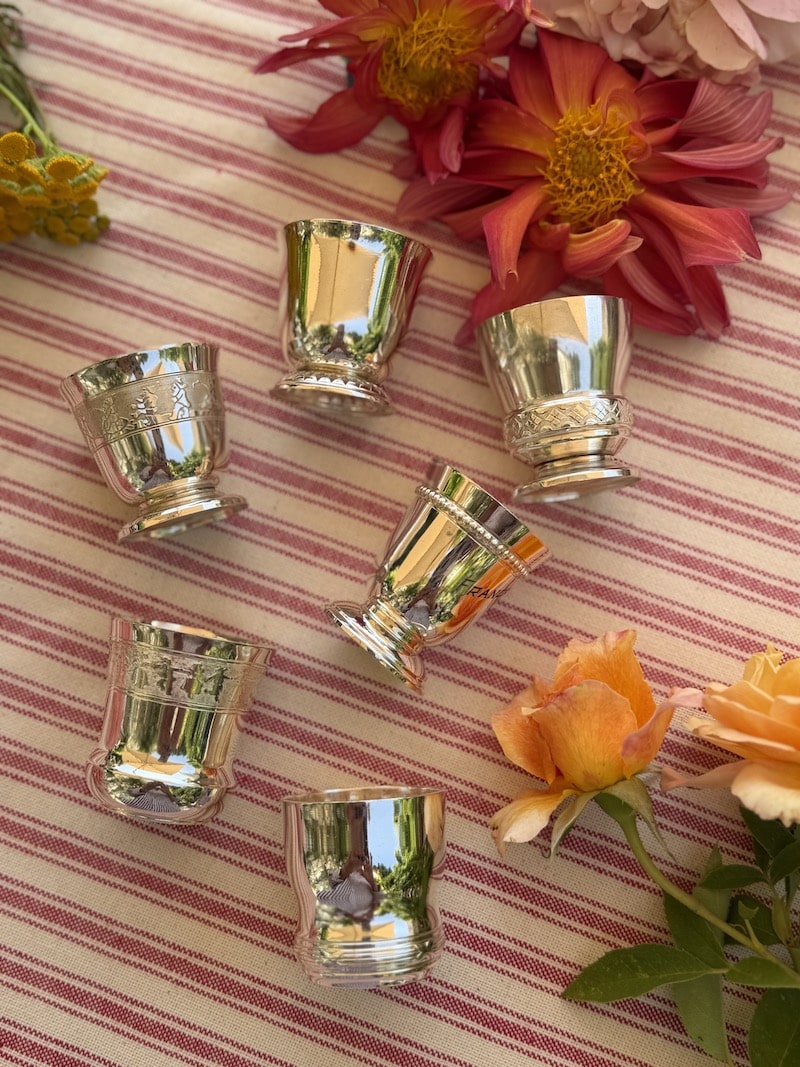
The beauty of a brocante is that it’s for everyone. Antiques in France aren’t reserved for collectors or specialists; they are meant to be touched, used, and appreciated. Take your time. Walk the market once before stopping, and notice all the small details: a patina on silver, a mark ina linen, the shape of a small chair.

Greeting the sellers is part of the experience. A simple bonjour is enough, and most are happy to answer the questions about where an item comes from or how it was used. Negotiation is welcome, but modest. Cash is still preferred at many markets, particularly outside of Paris.

In Paris, the brocantes at Les Puces de Vanves and Les Puces de Saint-Ouen are favorites. Vanves is compact and easy to explore in an hour or two. Saint Ouen is larger, full of variety, and perfect for lingering longer. After browsing, a café stop is a natural pause. Sitting with a coffee gives you a moment to people-watch and reflect on what treasures are worth returning for.

Throughout the year, larger brocantes happen across France. Dealers from many regions come together, offering both scale and diversity. The same approach works: arrive early, look carefully, ask questions, and take your time. Every visit offers a deeper understanding of how French antiques are valued, handled, and appreciated.
If you would like to learn more about French antiques, be sure to reserve our February Box, The Art of Antiquing. It will include a signed copy of Sharon Santoni‘s new book, The Art of Antiquing in France, which explores how to navigate markets and brocantes, recognize authentic pieces, and bring French antiques into everyday living. You can order your Box HERE and continue the French brocante experience at home.