Spring markets in France take on a different energy as the spring season settles in. The stalls grow fully, colors deepen, and the scent of fresh herbs and vegetables carries through the open air. By mid-March, the change is easy to see. Farmers arrive with crates of newly harvested produce, and regular shoppers move slowly from stand to stand, studying what looks best that morning.
For many people living in France, the market still shapes the rhythm of daily cooking. Shopping is rarely done once a week with a long list. Kitchens and refrigerators are often smaller, particularly in older buildings and city apartments. Storage is limited. Because of this, many households shop more frequently, purchasing only what they plan to cook in the next day or two.
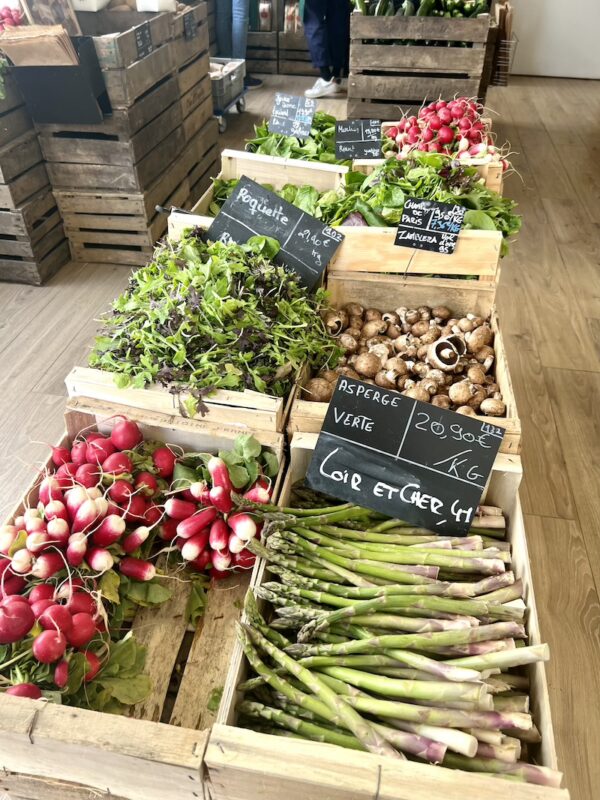
A typical market visit is simple – perhaps a few vegetables from one farmer, fresh herbs from another stand, and fruit that has just come into season. Bread from the local boulangerie is often picked up on the way home. The result is not week’s worth of groceries but the ingredients for a meal that will be prepared that same day.
This approach naturally leads to market-to-table cooking. Rather than planning complicated menus, French cooks often decide what to prepare after seeing what is freshest at the market.

At this time of the year, artichokes appear in abundance across many French markets. Their deep green leaves form tall pyramids on the vendor tables. In many homes, they are prepared in a very traditional way. The artichokes are steamed until tender and served warm with a light vinaigrette. Each leaf is dipped and enjoyed slowly. It’s a dish that encourages conversation around the table.

Young leeks are also widely available in spring. Their flavor is delicate and slightly sweet. One of the most common preparations is poireaux vinaigrette, where the leeks are gently cooked, cooled, and dressed with mustard vinaigrette. It is a dish found in countless French bistros and prepared just as often in home kitchens.

Bundles of herbs are impossible to miss as you walk through the market. Parsley, chives, and dill are sold in generous handfuls. They often finish a dish rather than dominate it. A simple omelet with fresh herbs is a perfect example of market cooking at its best. Few ingredients, but each one matters.

Early potatoes are beginning to appear in certain regions as well. These small, tender potatoes are prized for their delicate texture. Many cooks boil them and serve them warm with butter, sea salt, and a scattering of herbs. It is a reminder that French cooking often celebrates the ingredient itself rather than elaborate techniques.
Market shopping in France also carries a sense of familiarity. Many shoppers return to the same vendors week after week. Conversations about what arrived that morning or what will be at its best next week are common. These exchanges help shape what ends up on the table later that day.
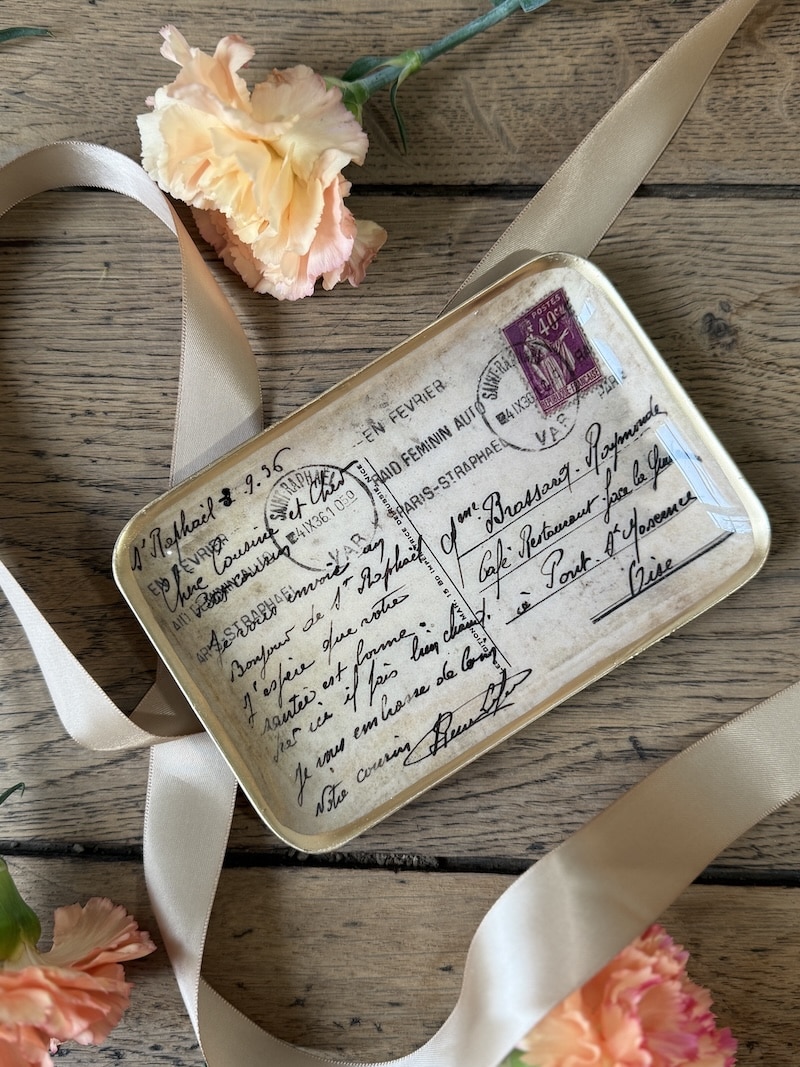
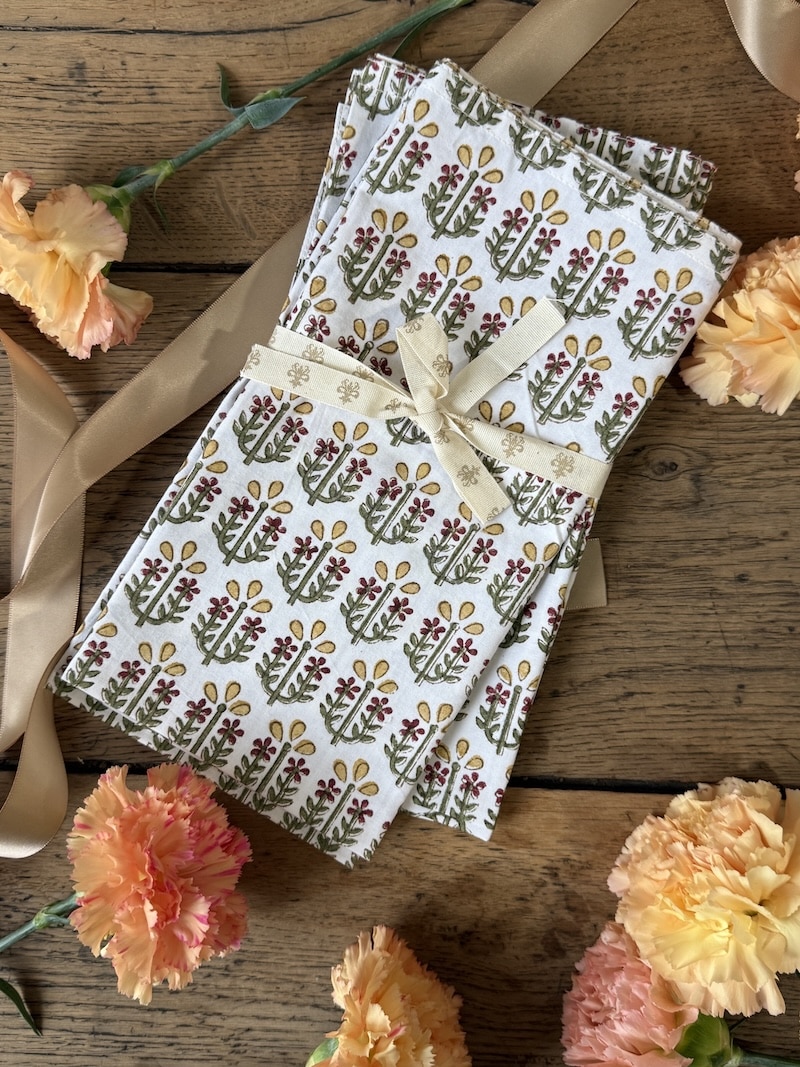
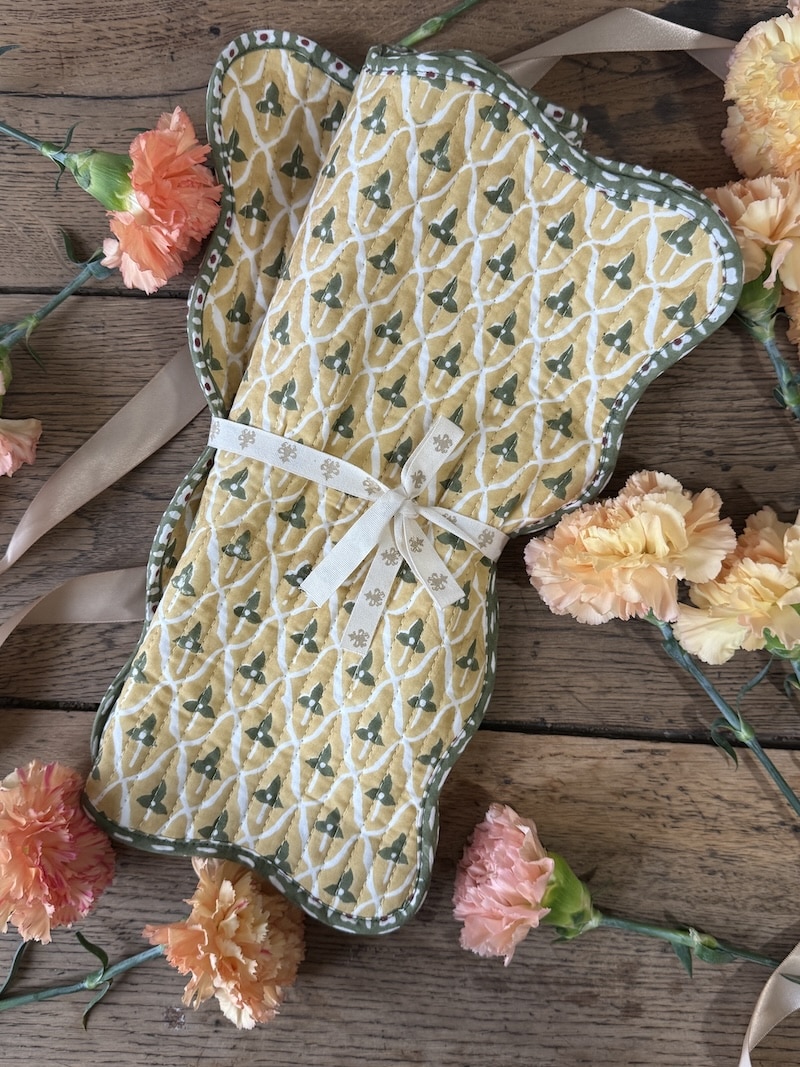
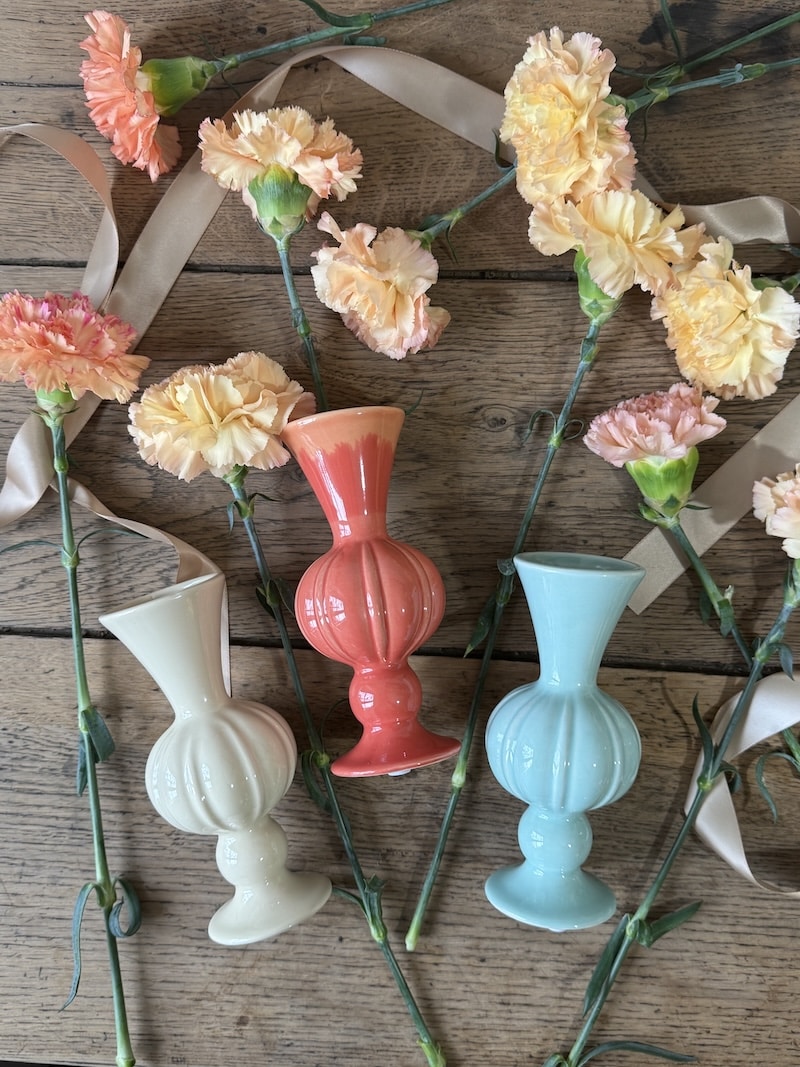
Our February Box, Spring Dining, is inspired by this tradition of market-to-table living. Each piece in this Box reflects the beauty of gathering around seasonal ingredients and celebrating spring at the table.
If you love the atmosphere of French markets and the joy of seasonal cooking, reserve our current Box and bring a touch of spring dining in France into your own home.